Lede
Scroll for five minutes and you’ll see it: the sharp outfit, the clean hair, the “don’t text me unless you mean it” energy. What looks like a trend is actually a social upgrade. Baddies culture is a modern mix of confidence cues, algorithm-friendly identity, and small-business hustle. The real story isn’t whether the look is “good” or “bad.” It’s how the look became a language and how that language now influences status, relationships, and income.
Why “Baddies” Took Off
Baddies culture rose at the exact moment the internet made visibility feel like a life skill. In older eras, style was personal. Now, style is also a signal of discipline, taste, boundaries, and ambition. Add in short-form video and a creator economy where anyone can monetize attention, and “baddie” becomes less like a costume and more like a template. It’s easy to copy, easy to recognize, and instantly communicates a story: “I’m in control.”
The New Rules of Confidence
The confidence baddies show is often misunderstood as arrogance. In practice, it’s more like clarity—clear standards, clear routines, clear self-presentation. But there’s a difference between confidence you practice and confidence you perform. Practiced confidence looks like taking care of your body, learning skills, building boundaries, and showing up consistently even when nobody is watching. Performed confidence is camera-first: it spikes when likes roll in and dips when attention slows. The best version of baddies culture turns the aesthetic into habits: posture, presence, self-respect, and self-control.
Clout: The Attention Market Behind the Trend
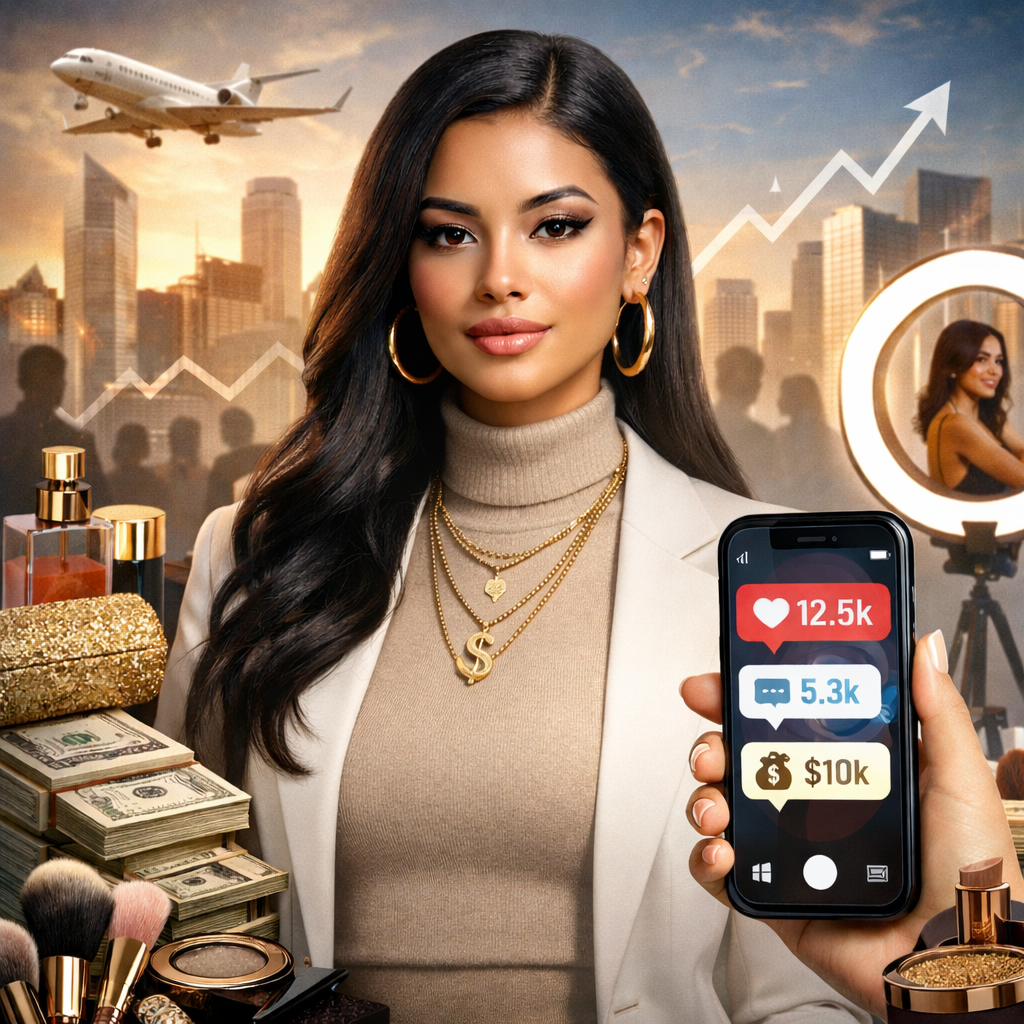
Clout is often framed as shallow, but it’s basically the new form of reach. On the internet, reach is opportunity, jobs, collaborations, clients, invitations, and brand deals. Algorithms reward content that’s instantly readable, and baddies culture is exactly that: a recognizable aesthetic with repeatable “hooks” (outfits, routines, transformations, glow-ups, “get ready with me,” “soft life” moments). The upside is leverage. The downside is dependency. When you build your identity on what performs well, you can accidentally hand your self-worth to a platform that changes rules overnight.
Cash: The Baddies Economy (How It Actually Makes Money)
Here’s the part most people miss: baddies culture is a market. It sells products, services, and lifestyles. Real money flows through familiar lanes—affiliate links, brand deals, UGC (user-generated content) creation for brands, paid collaborations, digital products (guides, presets, workout plans), subscriptions, and service businesses tied to the look (hair, makeup, nails, styling, fitness, skincare). Brands love it because it’s clear and targeted. When an aesthetic is consistent, audiences develop trust and trust converts.
The Psychology Under the Look
Baddies culture works because humans make fast judgments. Style cues can create a “halo effect”—people assume competence, confidence, and status based on presentation. Even if we dislike admitting it, first impressions influence everything from social treatment to professional assumptions. There’s also identity signaling: baddies culture often communicates “I value myself,” “I have standards,” “I’m not desperate,” and “I’m building.” But psychology cuts both ways. When a trend becomes a standard, it can trigger comparison and perfection pressure, especially in young audiences who confuse a curated feed with real life.
What “Baddies Culture” Gets Wrong (The Tradeoffs)
The risk isn’t the aesthetic; it’s the ownership. If you only feel powerful when you look powerful, you’re renting confidence. If clout becomes your oxygen, you’ll chase it even when it drains you. And if cash depends on platforms, the ground can shift fast: algorithm changes, audience fatigue, brand pullbacks, or burnout. Baddies culture can also blur the line between self-improvement and self-erasure where you’re constantly “fixing” yourself for public consumption rather than evolving for your own peace.
A Healthier Baddies Playbook
The most sustainable baddie energy isn’t loud, it’s stable. Start with offline confidence: sleep, movement, nutrition, skills, and boundaries. Then build online presence with intention: choose 2–3 content themes you can repeat without stress, set posting limits, and prioritise community over constant virality. For income, make it durable: create an email list, build one repeatable offer, and diversify beyond one platform. The healthiest baddies don’t just look expensive, they build systems that keep them calm.
How to Participate Without Losing Yourself
If you’re a viewer, make your feed serve you. Follow creators who inspire you without making you feel small. Mute or unfollow accounts that trigger comparison spirals. Treat content as a menu, not a mirror.
If you’re a creator, define your values early. Decide what you won’t do for engagement. Build a “brand boundary list” (topics you don’t monetize, aesthetics you won’t copy, relationships you keep private).
If you’re a brand, look beyond the surface. The best partnerships aren’t with the prettiest creator—they’re with the creator whose audience actually trusts them.
What’s Next: Where Baddies Culture Is Heading
Baddies culture is already evolving from “look” to “life.” The next wave is less about loud flexing and more about quiet power—competence, financial literacy, wellness, and purposeful presence. Expect more “soft life” framing, more minimal luxury signaling, and more creators building products and businesses rather than only posting content. The long-term winners will be the ones who translate attention into assets: skills, relationships, owned platforms, and repeat customers.
FAQs
What does “baddies culture” mean in simple words?
It’s an online style-and-attitude trend that signals confidence, high standards, and a polished lifestyle—often designed to perform well on social media.
Is baddies culture empowering or toxic?
It can be empowering when it builds boundaries and self-respect. It becomes toxic when confidence depends on constant validation, perfection, or comparison.
How do baddies make money online?
Common routes include brand deals, affiliate links, UGC creation, paid collaborations, digital products, subscriptions, and service businesses tied to beauty, fitness, and styling.
Can you be a “baddie” without fitting one beauty standard?
Yes. The strongest version is about presence and standards, not one body type or one face. Aesthetic is flexible; self-respect is the core.
How do I build confidence without needing validation?
Build “private wins”: routines, skills, health habits, and boundaries you keep even when nobody is watching. Public confidence should be a bonus, not a requirement.
What’s the difference between confidence and performative confidence?
Confidence is steady across situations. Performative confidence spikes on camera and crashes when attention drops.
Closing Takeaway
Baddies culture isn’t just a trend—it’s a response to a world where attention is measurable and identity is monetizable. The smartest version keeps the glow-up, drops the pressure, and turns clout into something real: competence, calm, and cash that doesn’t disappear when the algorithm does.
Read other articles at: https://InfoPillsTV.co