


Have you ever woken up after an incredibly vivid dream, convinced you’d remember every detail but find that it faded away before breakfast? One moment you can recall every conversation, place, and emotion, and the next, it’s as if the dream never happened. Why Do We Forget our Dreams So Quickly?
This strange experience is something almost everyone shares. Although we spend nearly two hours dreaming every night, most of those dreams vanish from our memory within minutes of waking up. Why does our brain work this way? Is it trying to hide something, or is there a scientific explanation?
What Is Dream Memory?
Dream memory is simply our ability to remember what we experience while dreaming. Every night, our brain creates a series of dreams, especially during the Rapid Eye Movement (REM) stage of sleep. Some dreams are adventurous, some are emotional, and others are so bizarre that they leave us wondering where they came from.
Yet, despite experiencing several dreams every night, most people remember only fragments or nothing at all. In fact, researchers estimate that we forget the vast majority of our dreams within the first five to ten minutes after waking up.
Why Is Remembering Dreams Important?
At first glance, forgetting dreams may not seem like a big deal. However, studies in dream memory has helped scientists understand how the human brain processes emotions, stores memories, and even solves problems while we sleep. Research on dreams has contributed to our understanding of:
- How memories are formed
- Emotional well-being
- Learning and creativity
- Sleep disorders
- Mental health conditions such as anxiety and post-traumatic stress disorder (PTSD)
Dreams may not predict the future, but they can reveal a great deal about how our minds work behind the scenes.
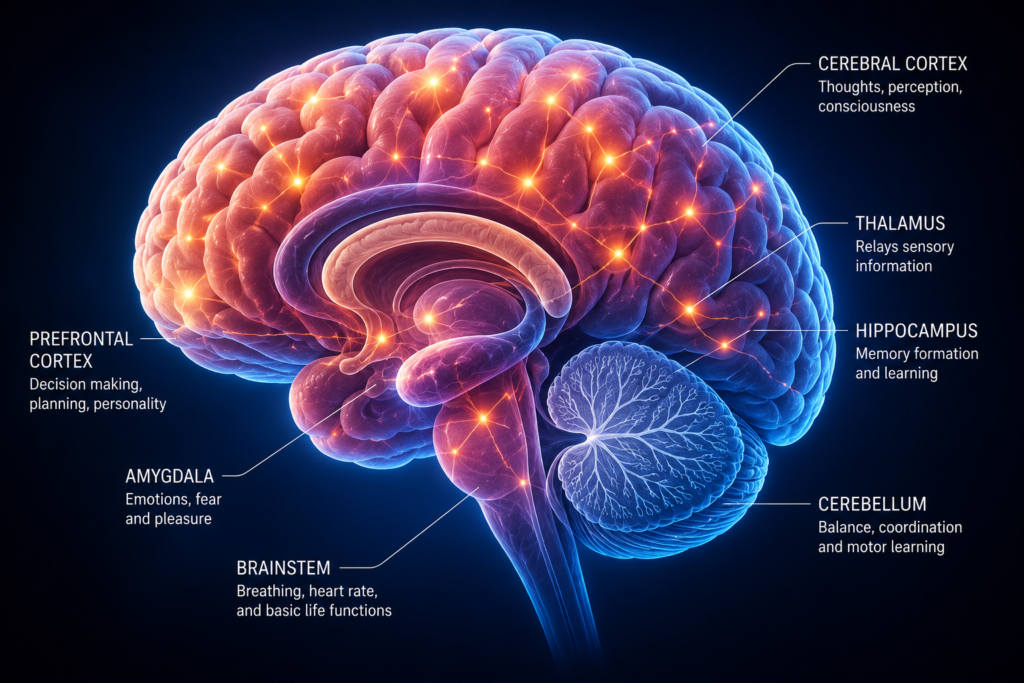
How Does the Brain Forget Dreams?
1. Most Dreams Happen During Rapid Eye Movement (REM) Sleep
The most vivid dreams usually occur during REM sleep, a stage in which the brain is surprisingly active even though the body is almost completely still. During this phase, your eyes move rapidly beneath your eyelids, breathing becomes irregular, and the brain creates rich, story-like experiences. Ironically, this is also the stage when remembering dreams becomes difficult.
2. The Brain Doesn’t Store Dreams Like Ordinary Memories
Think of your brain as a librarian. During the day, it carefully files away important information—faces, conversations, and experiences. During REM sleep, however, the “filing system” responsible for creating long-term memories isn’t working at full capacity.
As a result, dreams are experienced but often never properly stored. Without being filed away, they quickly disappear.
3. Brain Chemicals Change While We Sleep
Memory depends on several chemical messengers inside the brain. During REM sleep, the levels of certain chemicals involved in attention and memory, particularly norepinephrine, drop significantly.
This change helps create vivid dreams, but it also makes those dreams much harder to remember once we wake up.
4. Reality Takes Over
The moment you open your eyes, your brain is flooded with new information. You notice the alarm clock, check your phone, think about today’s schedule, hear people talking, or start getting ready for work.
These fresh experiences quickly replace the fragile memory of your dream, causing it to fade before it has a chance to settle into long-term memory.
Interesting Facts About Dreams
- Most people dream four to six times every night, even if they don’t remember a single one.
- People who keep a dream journal often become much better at recalling their dreams.
- Some individuals experience lucid dreams, where they realize they are dreaming and can sometimes influence what happens next.
- Babies are believed to spend much more time in REM sleep than adults, although scientists still debate what infants actually dream about.
- Dreams can combine memories, imagination, fears, and emotions into stories that would never happen in real life.
Common Myths About Dreams
Myth: Dreams Can Predict the Future
There is no reliable scientific evidence that ordinary dreams can foresee future events. While dreams may occasionally resemble later experiences by coincidence, they are not considered a form of prediction.
Myth: If You Don’t Remember Your Dreams, You Didn’t Dream
Not true. Almost everyone dreams every night. The difference lies in whether the brain successfully stores the dream after waking up.
Myth: Dreams Always Have Hidden Meanings
Some dreams may reflect emotions or recent experiences, but not every dream contains a secret message. Sometimes the brain is simply processing information collected throughout the day.
Myth: You Only Dream When You’re Sleeping Deeply
Most vivid dreaming actually occurs during REM sleep, which is different from deep sleep.
Frequently Asked Questions
Why do some people remember dreams more often?
People who naturally wake up during or immediately after REM sleep are more likely to remember what they were dreaming. Keeping a dream diary and getting consistent sleep can also improve dream recall.
Can you train yourself to remember dreams?
Yes. Writing down anything you remember as soon as you wake up can gradually improve your ability to recall dreams. Even small details are worth recording.
Do animals dream?
Scientists believe many mammals—and even some birds—experience REM sleep, suggesting they probably dream, although we cannot know exactly what they experience.
Why do dreams sometimes feel so real?
During REM sleep, the brain areas involved in emotions and visual experiences become highly active. This can make dreams feel incredibly vivid, even though they exist only in our minds.
Conclusion
Forgetting dreams isn’t a flaw in our memory—it’s simply how the brain is designed. While we sleep, the systems responsible for storing lasting memories work differently, allowing dreams to come and go without leaving much behind.
Although science has uncovered many clues about dream memory, dreaming itself remains one of the greatest mysteries of the human mind. Every night, our brains create extraordinary worlds, only to quietly erase most of them before the day even begins.
Perhaps that’s what makes dreams so fascinating: they’re temporary glimpses into the remarkable complexity of the sleeping brain.
To read other articles visit https://infopillstv.com